ZOO TOWN
CLIENT: LONDON ZOO
SCOPE: DESIGN & BUILD, BESPOKE MECHANICAL INTERACTIVES, THEMATIC JOINERY, SCENIC PAINTING, SCULPTING AND DIGITAL INTEGRATION.
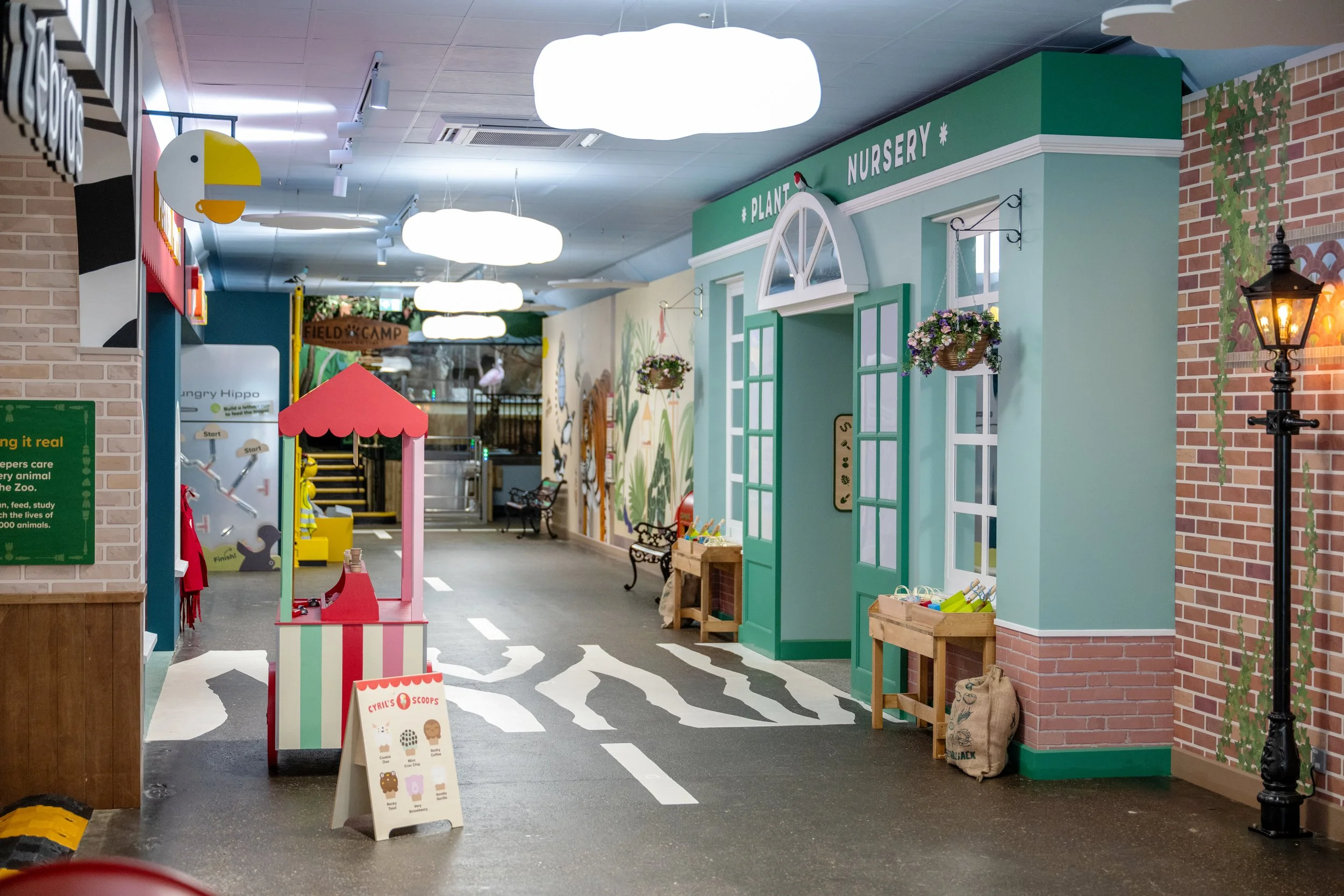
ZooTown is a transformative, indoor immersive attraction designed to turn a historic facility into a vibrant, imaginative world. Here, children aged 3–8 don’t just learn about conservation and animal care—they become part of the story. By role-playing the real-world jobs of vets, scientists, and keepers, young visitors gain a deep, hands-on understanding of the daily operations of a world-class zoological institution.
In early 2023, Unusual Projects was approached to assess the feasibility of reimagining a Grade II listed building—originally constructed in 1926—into a modern educational hub. The challenge was threefold:
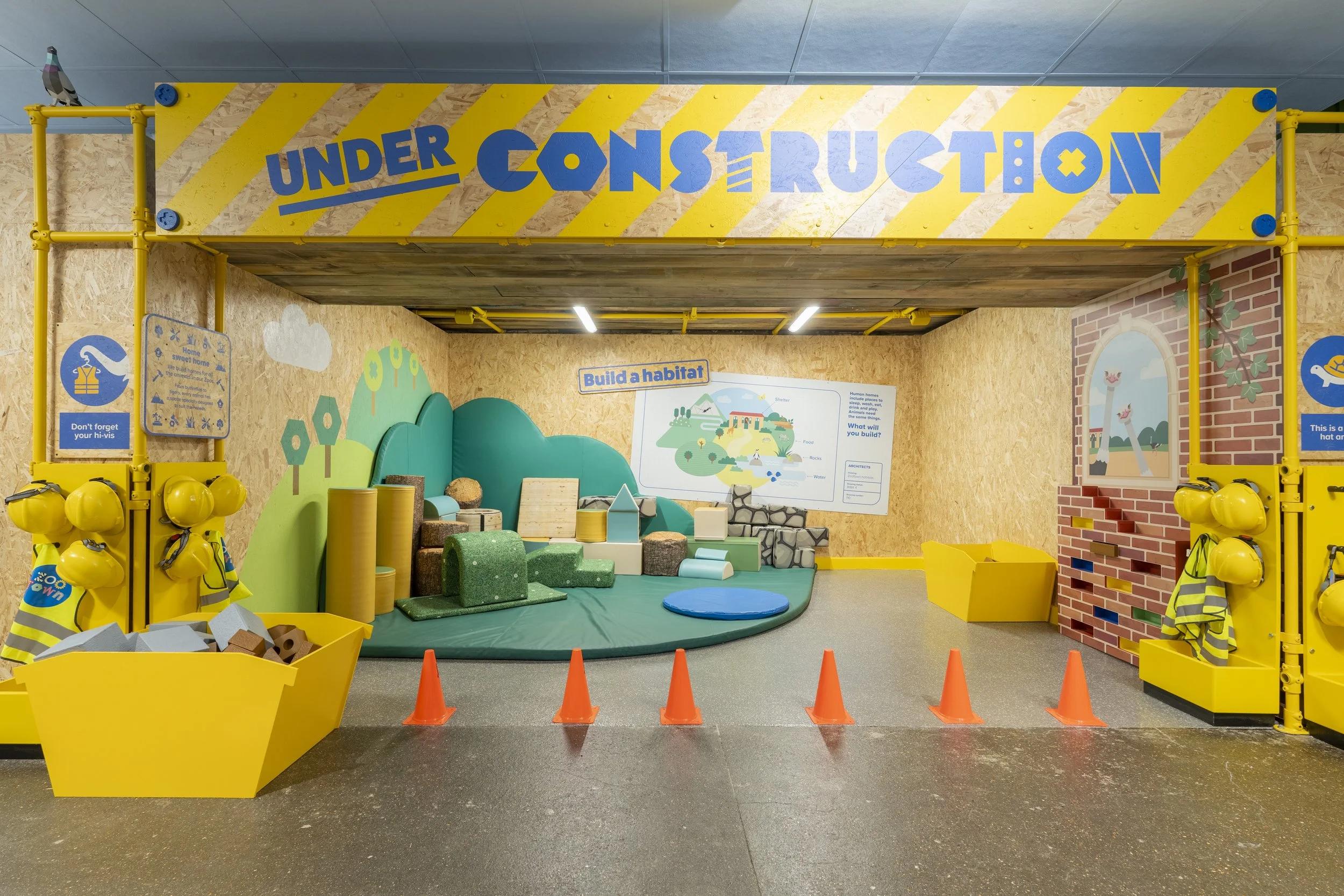
Creating a high-energy play space within a sensitive, historic façade.
Moving away from "generic play" to create a grounded, realistic representation of zoological careers.
Navigating complex building renovation costs while maintaining the integrity of the initial design vision.
To ensure the experience felt meaningful, our team embedded themselves in the client’s daily operations. We toured veterinary hospitals, feeding kitchens, and field camps, observing the precise workflows of scientists and keepers.
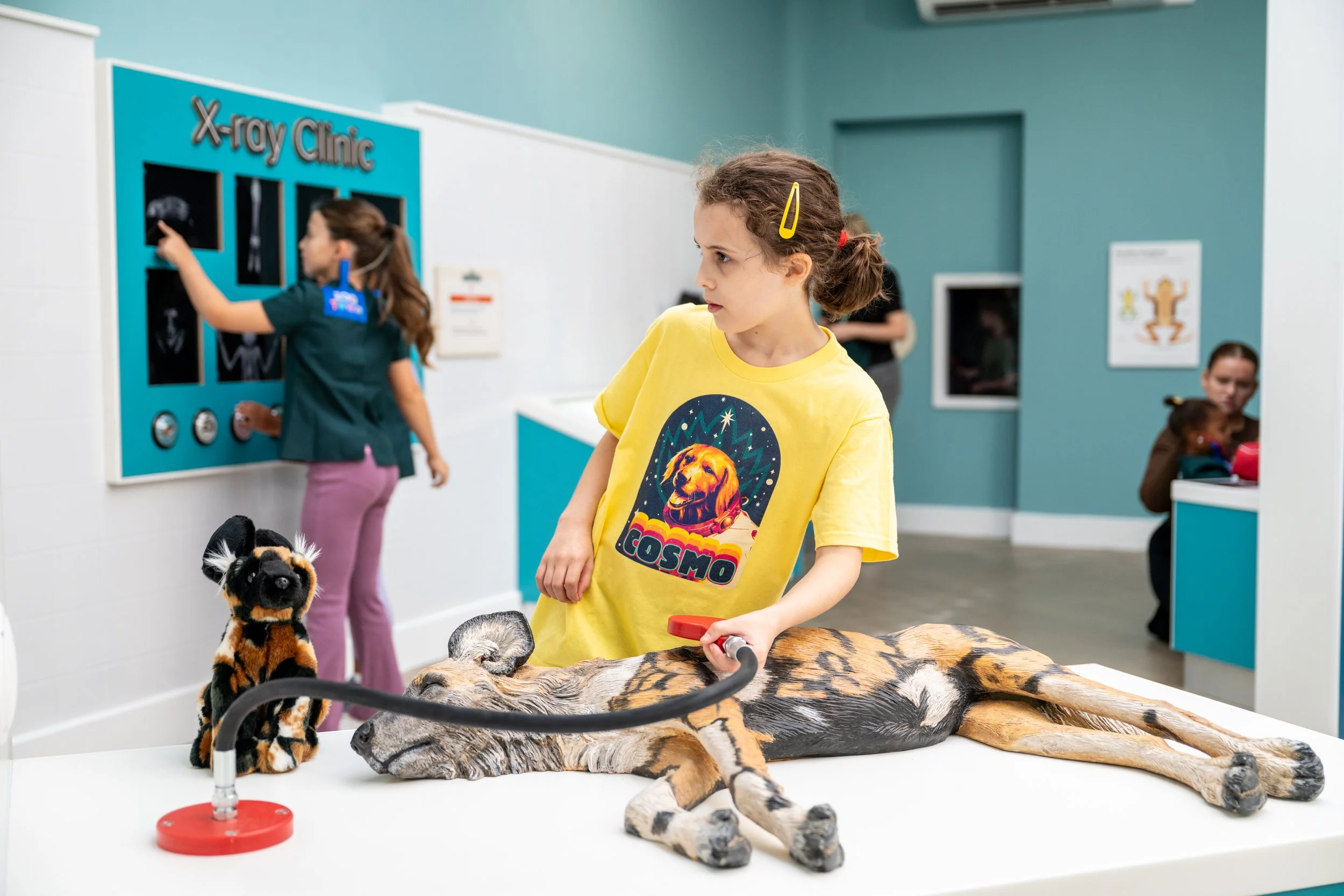
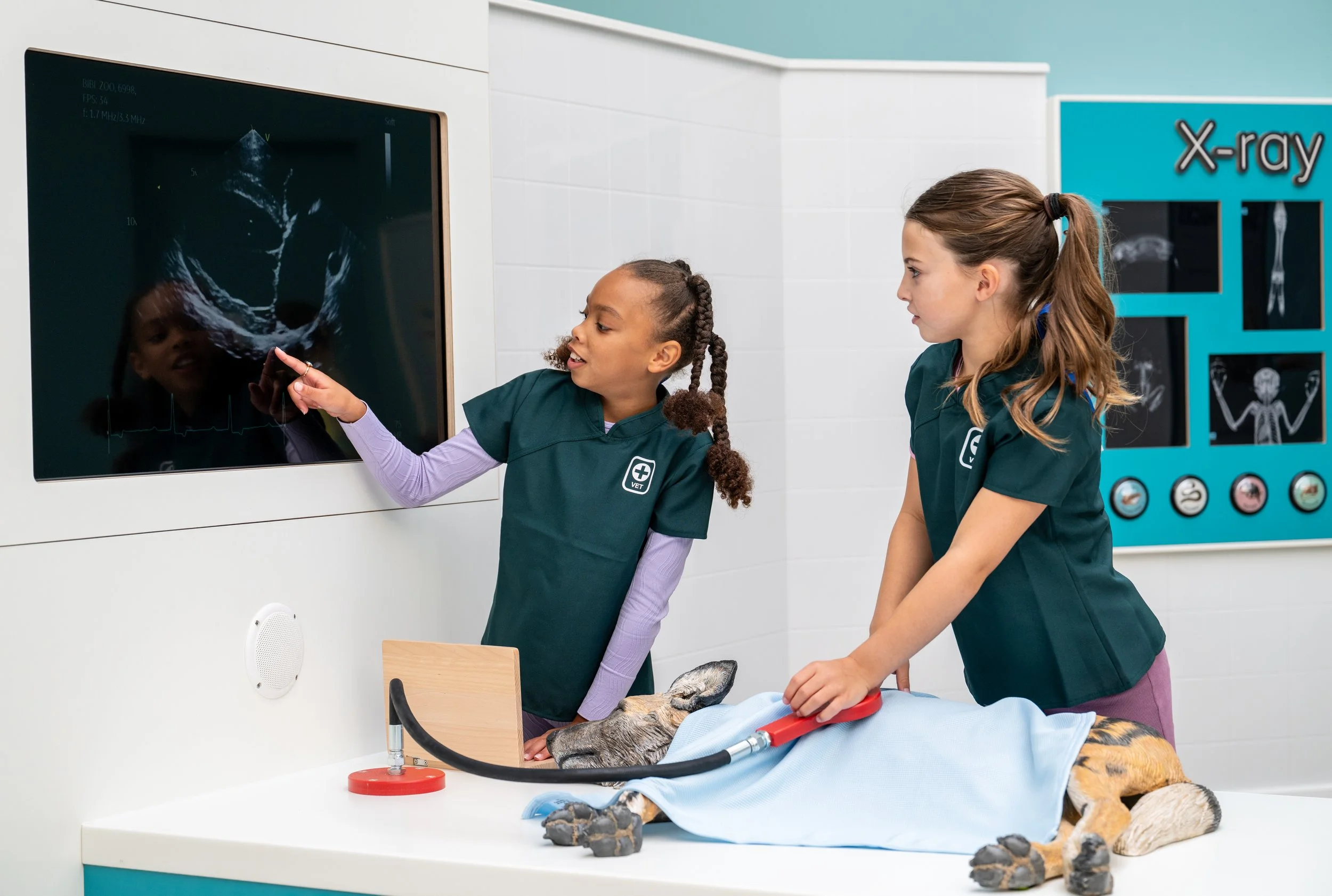
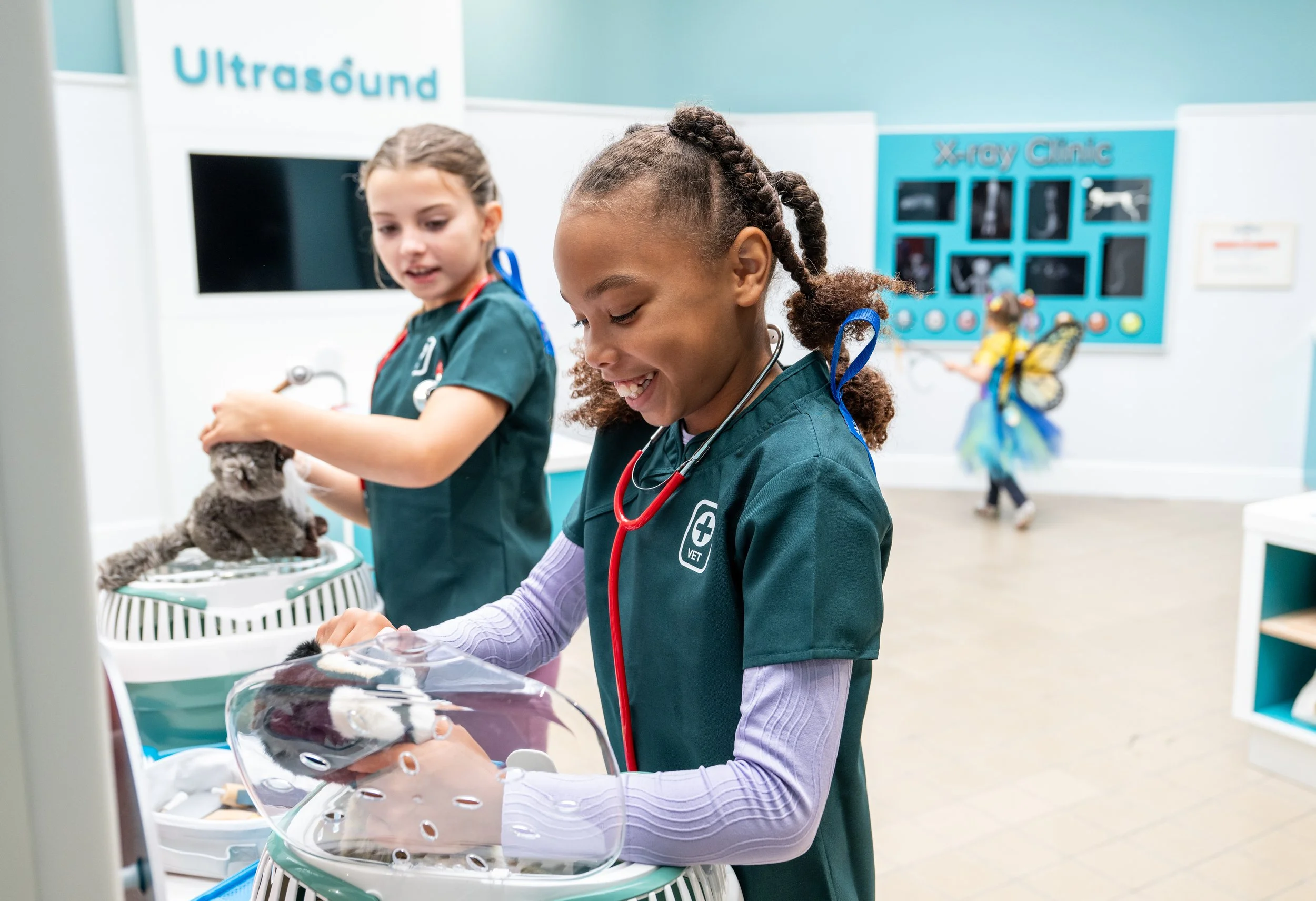
The Vet Hospital: Features scaled-down medical instruments, ultrasound stations for soft-toy "patients," and actual X-ray lightboxes.
The Keeper Kitchen: Replicates the real layout of food prep areas, complete with enrichment stations, sorting tasks, and nutrition charts.
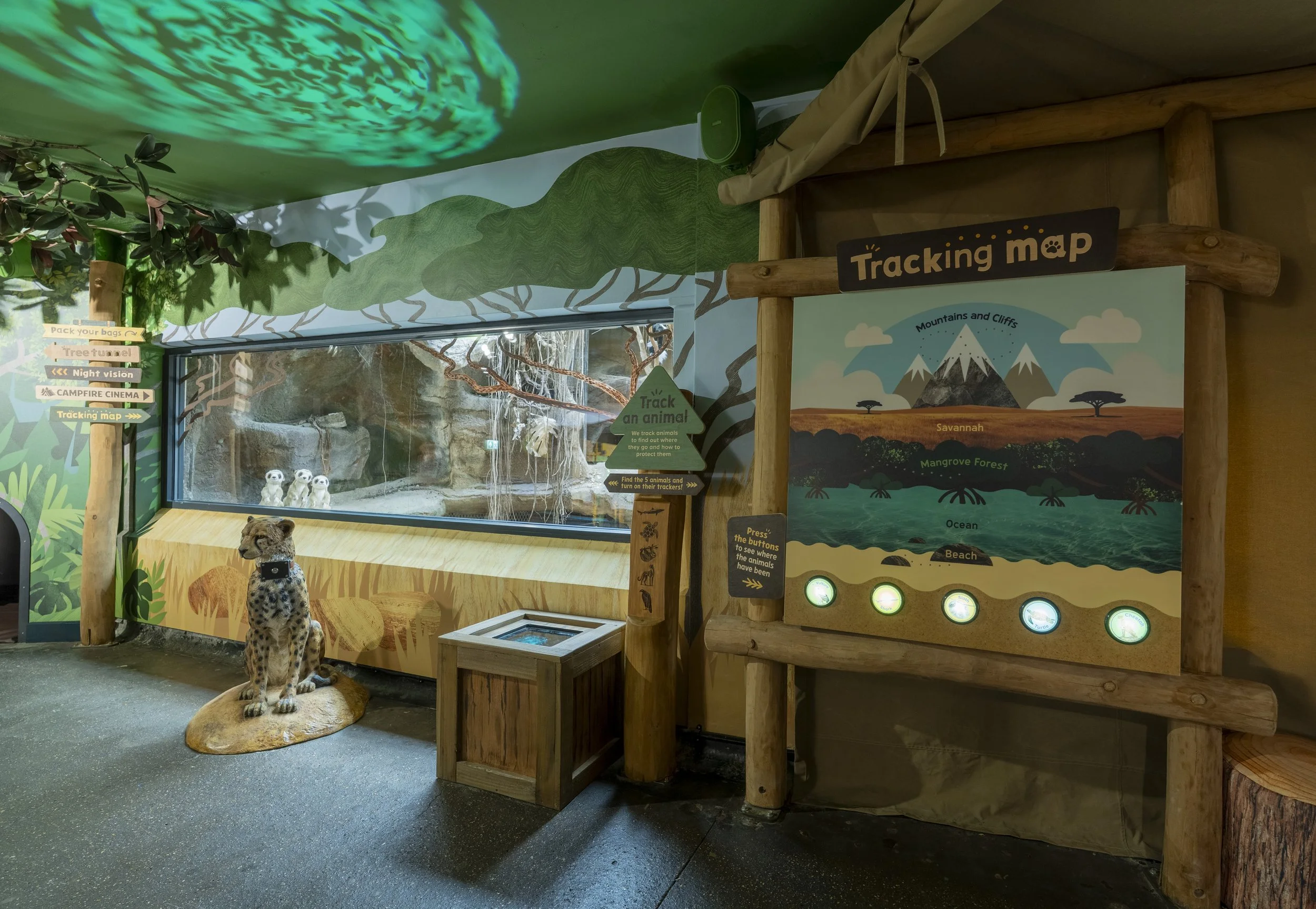
The Field Camp: A nature-focused zone where children learn how wildlife is tracked and monitored in the wild.
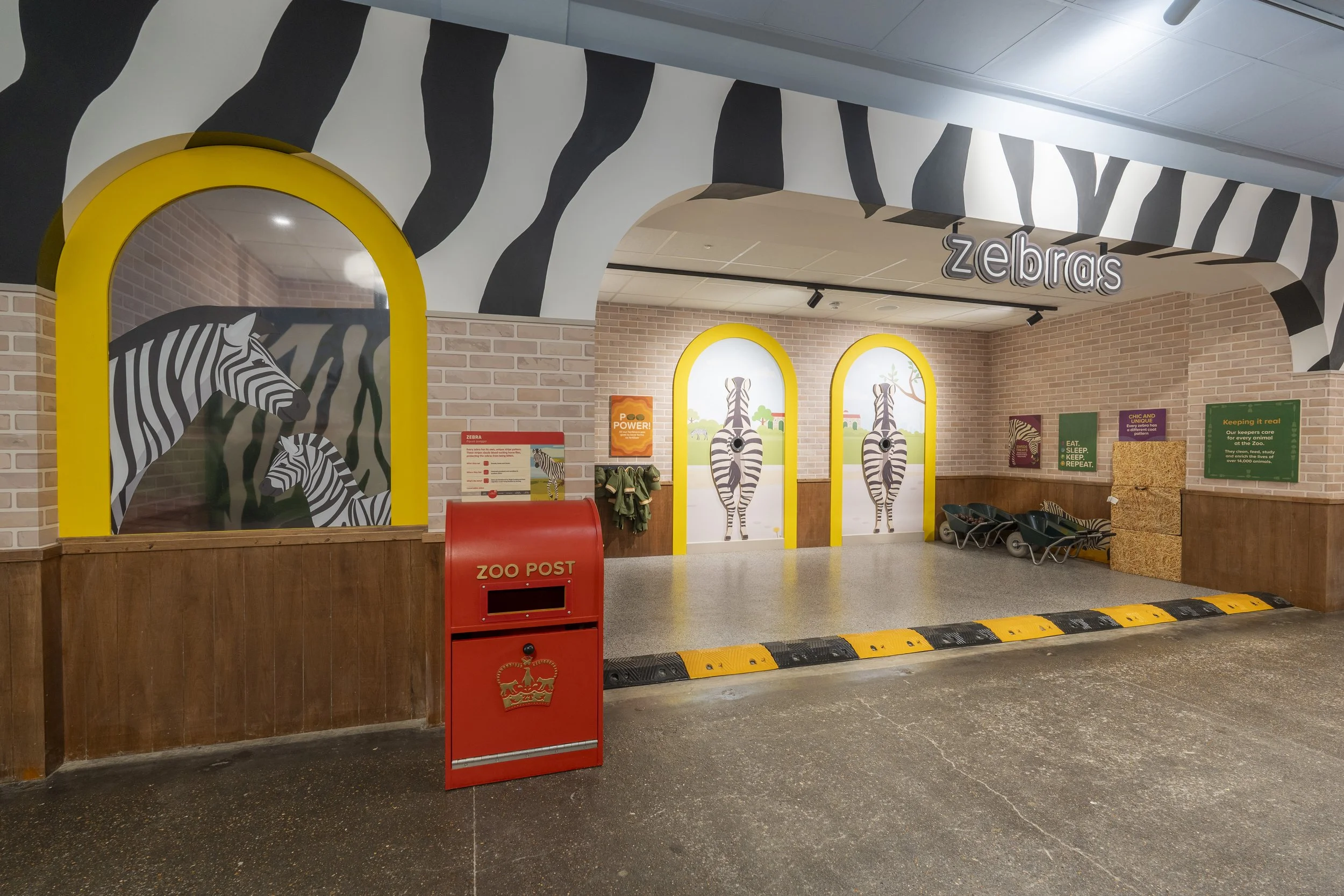
The Zebra House: A high-energy "clean-up" interactive where children use wheelbarrows to manage a "poo-cycle" system, ending in a high-tech suction-and-delivery mechanic.
Unusual Projects acted as the lead project management partner throughout the RIBA Stage 1–5 process working with our friends at Lima Studios who undertook the concept and interpretative planning for the project. We worked as a strategic advisor to the client, navigating the project through several key phases:
As the client was a non-profit organization, we conducted extensive "Value Engineering" (VE). We drafted multiple cost options, substituting materials and adjusting interactive complexity to ensure the project remained viable despite unforeseen building renovation costs.
Unusual Projects coordinated the programming not just for our own works, but with the architects and main building contractors. We managed critical paths through discoveries of hazardous materials and overlapping base-build schedules, ensuring our installation team could work safely alongside structural contractors.
Due to limited site access during the building’s demolition phase, we utilized a highly flexible detailed design process, allowing us to manufacture bespoke components that could be adjusted to fit the "as-built" reality of the historic structure.
When additional funding became available later in the project, our team pivoted quickly to re-integrate "high-end" bespoke interactives that had been previously removed. These highlights included:
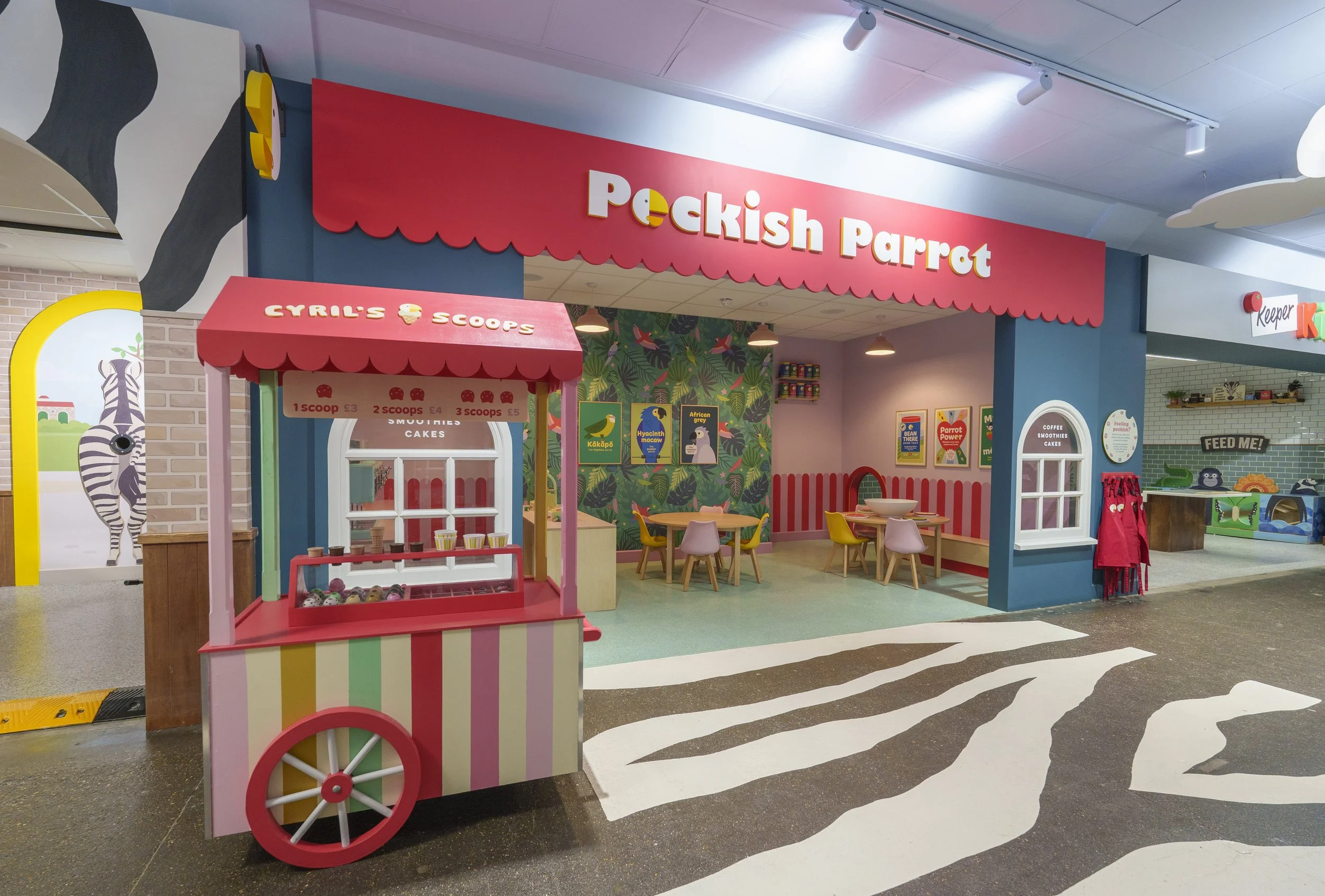
A bespoke barista station with mini attractor screens, grinding mechanisms, and sound effects.
An interactive pond floor where children’s movements trigger responses from native wildlife species.
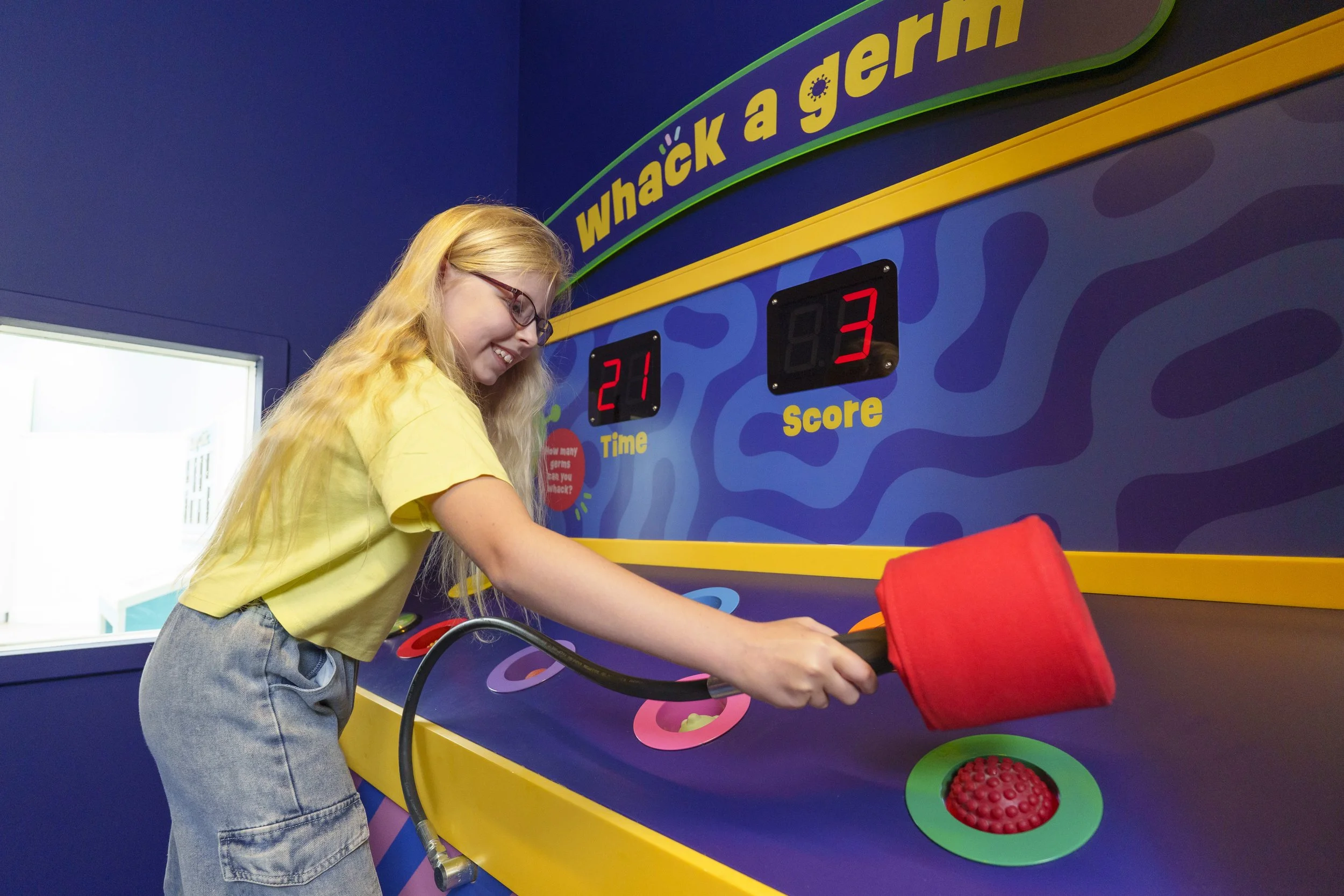
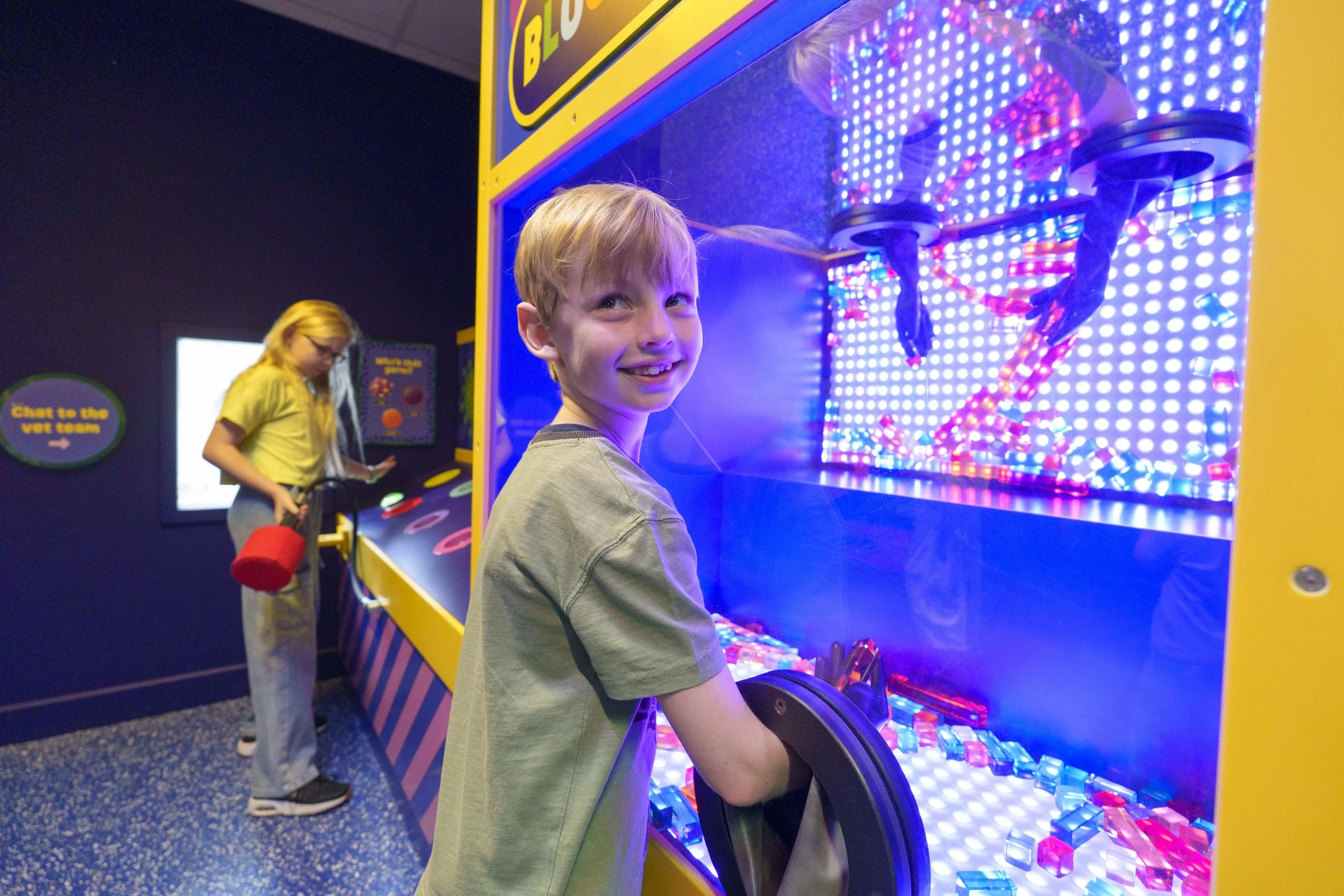
'Whack-a-Germ' Game: A fast-paced, timed interactive designed to teach children about microbiology and disease prevention in animal care.
The feedback from both the client and visitors has been exceptional. Families have praised the variety and quality of the role-play areas, noting that the immersive detail keeps children engaged for far longer than traditional play zones.